Can glycine help extend lifespan or make you younger?
A slightly provocative question, right? But why not try to look for answers even to questions like this. We will look at two studies on aging and lifespan related to glycine.
The first study directly shows in mice that administering glycine (8% by weight) in the diet starting at 9 months of age extends lifespan in male mice by approximately 6%, and in females slightly less, by 4%. The study was conducted at three different sites using specially crossbred genetically heterogeneous mice. Lifespan extension was consistent and statistically significant at all sites. Alongside the glycine test, other interventions were also tested at one site (aspirin at two concentrations, inulin, TM5441), but these did not demonstrate lifespan extension. The credibility of the results therefore appears to be high. The diet used was 5LG6 with 12% fat and 22% protein.

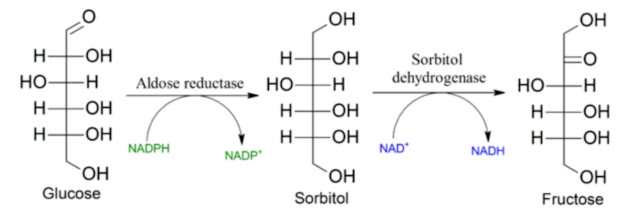
Another important finding of this study is that supplementation does not worsen health status and is safe. Causes of death in the glycine group compared to the control group were practically the same; no statistically significant difference was observed, except that in the glycine group there was a reduction in the probability of death from lung adenocarcinoma to approximately one quarter. It therefore appears that my suspicion that AR inhibition could cause increased levels of 4-HNE, which could subsequently increase cancer incidence, seems to be exaggerated. A small increase in the incidence of metastatic carcinomas was observed, but it did not reach statistical significance.

Interestingly, the body weight of females with glycine supplementation was significantly lower than in the control group, while the body weight of males did not change at all. Glycine can also be a substrate for gluconeogenesis and may also affect receptors in the hypothalamus. There are studies in which glycine suppresses food intake. In other studies, however, glycine caused higher body weight; it will probably be a bit more complicated.

Let’s take a closer look at the second study, which is somewhat more extensive and examines glycine in a slightly different form—as a substitute for collagen supplementation. The authors first attempted to assemble an optimal dietary supplement composition. They used three amino acids, specifically glycine, proline, and hydroxyproline, essentially the main components of gelatin, where they form a ratio of approximately 2:1:1. The experimental composition was always tested on the lifespan of the nematode Caenorhabditis elegans. As optimal, they arrived at a ratio of 3:1:1 for glycine:proline:hydroxyproline, even though the longest lifespan was observed at a ratio of 10:1:1. The 3:1:1 ratio was then used for the entire study. Collagen alone did not produce very good results. Note that even the ratio corresponding to the composition of gelatin (2:1:1) does not yield results.

The study further examined the effect of the 3:1:1 supplement in mice and humans. Twenty-month-old mice were “rejuvenated” for a period of six months. The authors managed to achieve statistically significant improvement in grip strength as well as a reduction in epididymal white adipose tissue. Lifespan was not examined.

The continuation of the study in humans focused mainly on skin quality and on the evaluation of biological age from the saliva of the study participants. There were a total of 66 participants, of whom 45 underwent testing for changes in biological age after six months. The dosage was one sachet of a “collagen activator” per day: 5 g of glycine, 1.7 g of proline, 1.7 g of hydroxyproline, and 1 g of calcium α-ketoglutarate. Again, statistically significant changes were observed: skin quality and elasticity improved, and even biological age decreased according to the test used. On average, after six months, the biological age of participants was 1.37 years lower.
The results are therefore more than optimistic. It appears that either glycine alone or in some mixture is safe for use as a dietary supplement, has effects toward suppressing inflammation, and may possibly extend lifespan or at least ensure healthier aging. We will see; recently, a number of scientists seem to be focusing on the study of glycine, although so far very few of them suspect that it could regulate the polyol pathway and the AR enzyme. Hopefully, my posts will help spread this information further and research will become more specific, with a focus on the essential enzymatic pathways.
References:
Glycine supplementation extends lifespan of male and female mice


Comments
Post a Comment